Halloween Baby Silhouette Review
As someone who has spent years reviewing machine embroidery design files and testing them on everything from delicate baby onesies to heavy-duty canvas totes, I know that the difference between a great product and a frustrating one often comes down to one thing: how the design translates from a screen to the fabric. Today, I am taking a deep dive into the Halloween Baby Silhouette, a file categorized under Crafts and Graphics. While it is marketed as an instant download cutting file compatible with Cricut and Silhouette machines, my focus here is strictly on its potential as an embroidery asset for real-world projects.
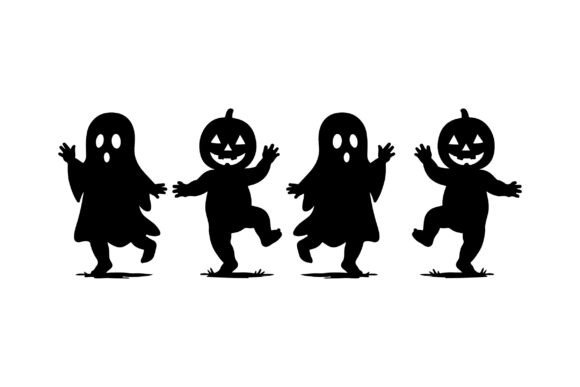
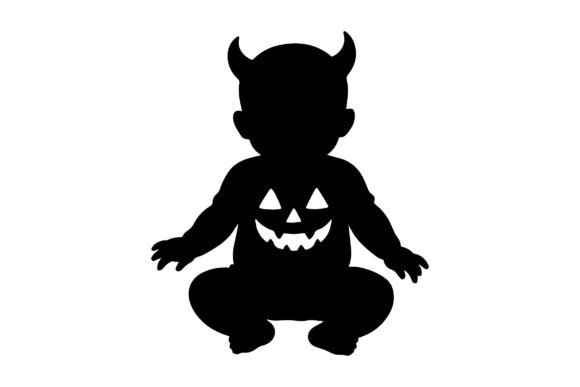
When I first opened the file, the mood was immediate. It isn't just a spooky image; it carries a specific narrative of innocence meeting the macabre. The silhouette approach creates a clean, modern aesthetic that feels less like a generic clip art and more like a boutique brand identity. For a designer looking to create high-end personalized gifts or unique custom apparel, this shape offers a strong visual anchor. It strikes a balance between being cute enough for a nursery and dark enough for a cool Halloween party look.
The Real-World Stitch Test
I decided to put the Halloween Baby Silhouette through a rigorous trial run before recommending it for any commercial use. My goal was to simulate a scenario where a small business owner might want to launch a holiday collection. I chose to test it on a custom embroidered tote bag made of 100% cotton duck canvas. This fabric is notorious for shifting and requires precise stabilization, making it the perfect stress test for any digital file.
The results were promising but required careful planning. Because the design relies on a solid silhouette, it lends itself beautifully to a satin stitch finish. When stitched in black thread on a cream-colored tote, the contrast was sharp and professional. The clean lines of the silhouette held up well against the textured weave of the canvas. However, if you plan to use this for embroidered patches or sweatshirt embroidery, you need to consider the density. A solid fill can sometimes cause puckering on thinner fabrics if the stabilizer isn't chosen correctly.
I also tested the design on a soft, stretchy knit fabric intended for a baby's hoodie. Here, the simplicity of the silhouette was a double-edged sword. On one hand, there were no tiny, intricate details to get lost in the stitches. On the other hand, the lack of internal detail meant that the texture of the thread had to do all the work. Using a mix of thread colors—perhaps a gradient effect or a subtle variegated black—could elevate the design significantly, turning a simple shape into a piece of wearable art. Without that extra touch, it risks looking a bit flat on a smooth jersey knit.
Navigating Fabric and Hoop Limitations
Not every surface is created equal, and understanding where the Halloween Baby Silhouette struggles is just as important as knowing where it shines. If you are working with small hoop sizes, such as those found on portable embroidery machines or specialized cap frames, you must be cautious. The overall width of the silhouette needs to be scaled down without losing its character. If you shrink it too much, the curves of the hood and body may merge, creating a muddy blob rather than a distinct figure.
Texture is another critical factor. While the design works wonders on smooth cottons and linens, it can lose definition on highly textured fabrics like bouclé or thick fleece. In these cases, the stitch density might not penetrate the pile effectively, leading to a fuzzy outline. Additionally, if you are attempting this on dark fabric, using black thread will result in a monochromatic look that might disappear entirely unless you add a contrasting border or underlay. Always inspect small details before committing to a large production run.
Curved surfaces like caps and hats present their own challenges. The natural curve of a hat can distort a wide silhouette if not digitized specifically for that curvature. Since this file is primarily sold as a cutting design, the embroidery conversion requires a skilled eye to ensure the proportions remain true when wrapped around a curved form. For apron embroidery or kitchen towels, however, the flat nature of the fabric makes it an ideal candidate, offering a crisp, gallery-quality finish.
Impact on Product Value and Branding
In the world of Etsy sellers and craft business owners, the visual appeal of your finished product directly correlates to customer trust and perceived value. A well-executed Halloween Baby Silhouette elevates a standard item into a premium good. Imagine a set of matching pillow covers featuring this design in varying shades of orange and purple. The cohesive theme suggests a deliberate branding effort, which encourages buyers to purchase multiple items rather than just one.
The design's versatility allows it to fit seamlessly into various niches. It works perfectly for holiday embroidery collections, baby embroidery sets, and even wedding gifts for couples who appreciate a gothic twist. For digital product sellers, this file serves as an excellent base for creating printable mockups. Showing a high-resolution rendering of the design on a mockup t-shirt or tote bag helps customers visualize the final outcome, reducing return rates and increasing sales confidence.
However, professionalism is key. If the stitching looks messy or the edges are jagged, it reflects poorly on the maker's brand. To maintain a high standard, always review the design assets in black and white mockups to check for clarity. Ensure that the finished product feels durable and that the embroidery project holds up after washing. Customers expect handmade goods to last, and a sloppy execution can quickly erode that trust.
Practical Notes for the Designer
Before you start stitching, there are several non-negotiable steps to ensure success. First, always test the design on scrap fabric that matches your final material in weight and texture. This reveals issues with stabilizer choice or tension settings before you ruin a customer's garment. Check the stitch density carefully; if the file is too dense, it may cause the fabric to pucker, especially on thin fabric or stretchy fabric.
Confirm the hoop size requirements relative to your machine's capabilities. If the design exceeds your machine's reach, you may need to split the file or resize it, which could alter the visual impact. Inspect small details, particularly the corners of the hood and the hands, to ensure they won't break apart during the stitching process. If you intend to sell finished items commercially, verify the licensing terms immediately. Some files allow personal use only, while others permit commercial resale of physical products.
Finally, think about the color palette. The power of a silhouette lies in its simplicity, but adding a pop of color through the thread can make it sing. Whether you are creating a tote bag design for a fall market or a custom apparel line for a boutique, the Halloween Baby Silhouette offers a solid foundation. Just remember that the magic happens in the execution. Take the time to prep, stabilize, and stitch with care, and you will have a handmade product that stands out in a crowded marketplace.
This design is more than just a graphic; it is a versatile tool for creative entrepreneurs ready to tackle their next seasonal project. By approaching it with a critical eye and practical preparation, you can transform a simple download into a best-selling item that resonates with buyers looking for quality and style.