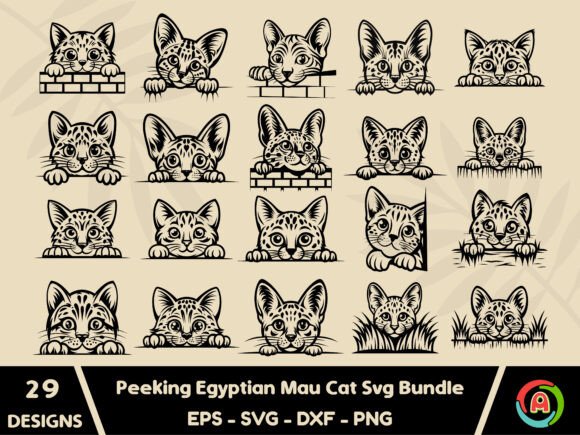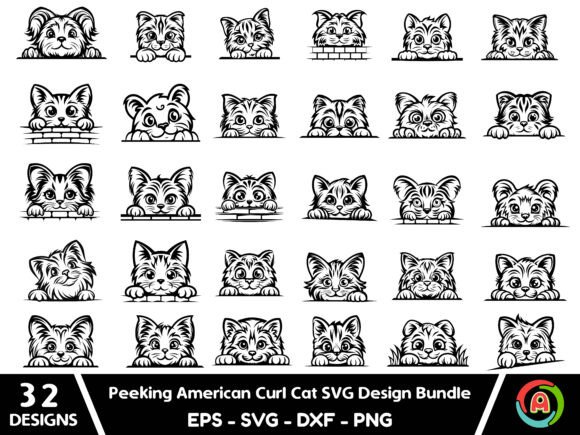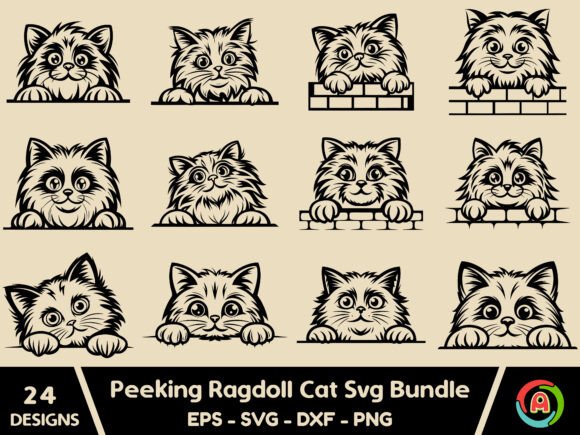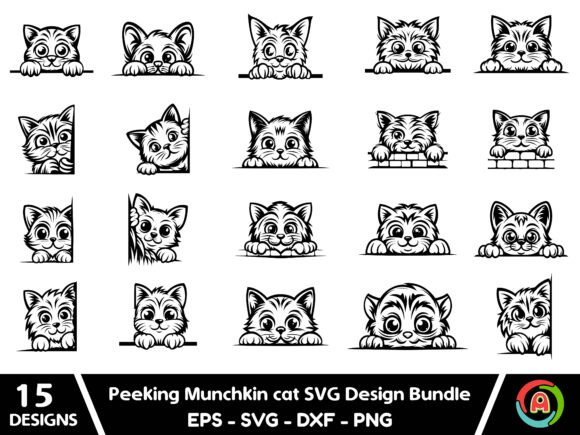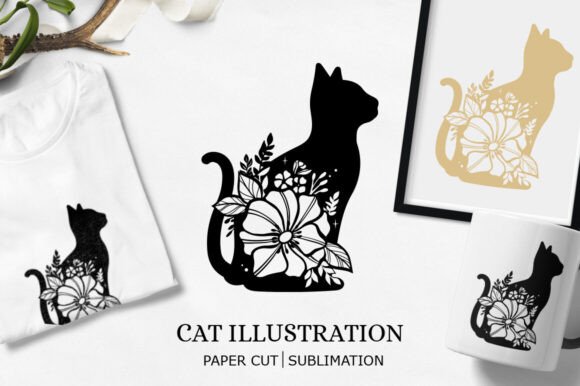
Laser Cut Cat Template Paper Cut Cat Review
As a designer who has spent years evaluating digital assets for real-world embroidery projects, I know that the difference between a charming handmade item and a disappointing commercial failure often lies in the initial design choice. When I first encountered the Laser Cut Cat Template Paper Cut Cat, my immediate reaction wasn't just about the cute aesthetic, but rather how this specific graphic would translate into physical thread. It falls under the broader categories of Crafts and Graphics, but for us, it is much more than a file; it is a potential centerpiece for a boutique product line or a personalized gift.
The first impression of Laser Cut Cat Template Paper Cut Cat is one of delicate precision. The "laser cut" concept suggests sharp lines and intricate details that mimic the look of paper crafting, which can be incredibly effective when rendered in satin stitch. However, translating a vector-based paper cut style into machine embroidery requires careful consideration of stitch density and fabric texture. This design feels like it belongs in the realm of soft goods—items where a touch of whimsy is desired without overwhelming the viewer with heavy fill stitches.
From Digital File to Finished Product: A Real-World Scenario
Let's imagine a practical scenario. You are an Etsy seller preparing a collection of custom embroidered tote bags for a holiday market. Your goal is to create a unique, high-value item that stands out against mass-produced merchandise. You decide to use Laser Cut Cat Template Paper Cut Cat as the primary motif on a natural canvas tote. The visual personality of the cat, combined with the crisp edges implied by the template, promises a sophisticated yet playful look.
In this context, the design acts as a focal point. Unlike a standard cartoonish cat, the laser-cut aesthetic implies a layering effect. If executed correctly using applique techniques or precise outline stitching, the finished product gains a sense of depth that customers immediately recognize as premium. The design invites the buyer to appreciate the craftsmanship, not just the subject matter. For a small business owner, this translates directly to higher perceived value and better customer trust.
However, if you were to apply this same design to a stretchy sweatshirt without proper stabilization, the result could be puckered and distorted, ruining the "paper cut" illusion. The success of Laser Cut Cat Template Paper Cut Cat depends entirely on the application environment. It shines on stable fabrics like denim, canvas, cotton twill, or felt, where the structural integrity of the fabric supports the detailed lines of the embroidery file.
Navigating Technical Challenges in Embroidery Projects
While the aesthetic appeal is strong, every experienced designer knows that beauty must be balanced with technical feasibility. When working with Laser Cut Cat Template Paper Cut Cat, there are specific areas where caution is required to ensure a professional finish.
Hoop Size and Detail Retention
If you attempt to digitize or use this design in a very small hoop size, you risk losing the fine details that define the laser-cut style. Tiny corners and thin lines may merge together during the stitching process, resulting in a muddy appearance. Always verify the minimum recommended hoop size before starting your project. If the design includes tiny lettering or intricate facial features, consider scaling it up slightly to maintain clarity.
Fabric Texture and Color Contrast
The effectiveness of this design relies heavily on contrast. On dark fabrics, the thread colors need to be vibrant enough to pop against the background, otherwise, the delicate lines of the cat will get lost. Conversely, on light fabrics, ensure the thread density is sufficient to prevent the fabric from showing through the gaps in the design. Textured fabrics, such as thick fleece or boucle, can hide the precision of the satin stitch, making the design look less refined. For these materials, a smoother backing fabric or a different stitch type might be necessary.
Stretchy Fabrics and Curved Surfaces
Applying Laser Cut Cat Template Paper Cut Cat to curved surfaces like caps or fitted baby clothes presents a unique challenge. The tension required to hold the shape of a cap can distort straight lines. If you are creating an embroidered patch or a hat logo, test the design on a scrap piece of the actual garment material first. This step is crucial to determine if the stabilizer chosen is adequate to counteract the fabric's movement during stitching.
Strategic Applications for Small Business Owners
For those looking to expand their craft business, this design offers versatility across various product categories. It is particularly well-suited for:
- Baby Items: Soft bodysuits, bibs, and nursery wall hangings benefit from the gentle, storybook vibe of the cat template.
- Kitchen and Home Decor: Tea towels, aprons, and pillow covers provide a flat, stable surface ideal for detailed work.
- Personalized Gifts: The design works beautifully for monogrammed items or holiday gifts where a custom touch is appreciated.
- Commercial Merchandise: Boutique branding on tote bags or apparel can leverage the unique look of the laser-cut style to differentiate from generic stock designs.
When considering Laser Cut Cat Template Paper Cut Cat for commercial embroidery, remember that consistency is key. Customers expect a uniform look across all products. Ensure that your thread colors, stitch density, and finishing touches remain consistent whether you are producing a single custom order or a batch of fifty units.
Practical Designer Notes for Success
Before committing to a full production run or a client project, I strongly advise following a rigorous testing protocol. Here are the essential steps to take when integrating this design into your workflow:
- Test on Scrap Fabric: Always run a test stitch on a scrap of the intended fabric to check for puckering, thread breakage, or detail loss.
- Review Stitch Density: Check the density settings in your digitizing software. Too much density can cause the fabric to bunch, while too little can leave gaps. Adjust based on the thread weight you plan to use.
- Inspect Small Details: Zoom in on the digital preview to ensure no tiny elements are so small they won't stitch properly. If necessary, simplify the design slightly for smaller applications.
- Check Thread Colors: Compare your chosen thread colors against both light and dark backgrounds to ensure visibility and impact.
- Use Proper Stabilizer: Select the right stabilizer (cut-away, tear-away, or wash-away) based on the fabric weight and the final use of the product.
- Confirm Licensing: Before selling finished items featuring Laser Cut Cat Template Paper Cut Cat, double-check the license terms provided with the download. Some files are for personal use only, while others allow commercial sales of the finished product.
By approaching Laser Cut Cat Template Paper Cut Cat with this level of scrutiny and planning, you transform a simple digital asset into a cornerstone of your creative output. Whether you are a hobbyist making a gift for a friend or a seasoned entrepreneur building a brand, the quality of your execution defines the success of your project.
Ultimately, the decision to use this design comes down to your specific needs and the quality of your equipment. If you have the right setup and a clear vision, Laser Cut Cat Template Paper Cut Cat has the potential to elevate your embroidery projects from ordinary to extraordinary. It captures a mood of creativity and care that resonates deeply with buyers looking for authentic, handmade products.