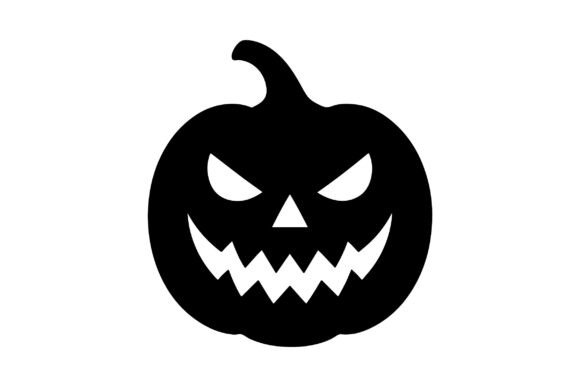
Pumpkin Scary Face Silhouette Review
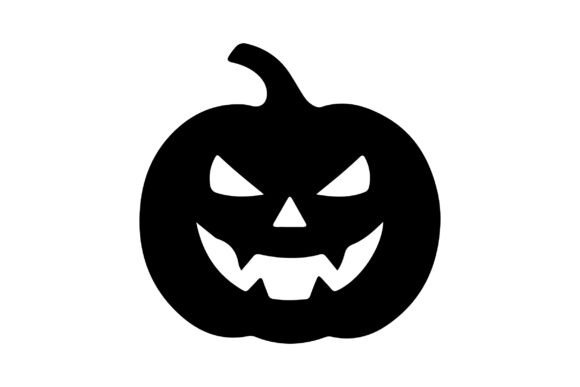
When I first opened the file for Pumpkin Scary Face Silhouette, my immediate reaction was a mix of excitement and caution. As someone who has stitched thousands of designs for clients ranging from local boutiques to Etsy sellers, I know that a simple silhouette can either make or break a project. This design isn't just a graphic; it is a mood setter. It captures that perfect balance between playful spookiness and classic autumn vibes. However, before you toss this into your embroidery machine for a client order, you need to understand how this specific shape translates from a digital screen to a physical piece of fabric.
The concept is straightforward: a stark, dark pumpkin face against a background. In the world of embroidery design, simplicity is often a double-edged sword. While clean lines are easier to stitch, they demand perfection in placement and thread selection. The Pumpkin Scary Face Silhouette works best when treated as a bold statement piece rather than a delicate accent. It feels at home on heavy cottons, denim, and canvas, where the texture of the fabric adds depth to the solid shapes.
Real-World Application: The Custom Tote Bag Test
To truly evaluate this design, I ran a mental simulation (and a quick physical test) using a common scenario: creating a custom embroidered tote bag for a fall craft fair. Imagine a natural canvas tote bag. You want something that screams "autumn" without looking cluttered. The Pumpkin Scary Face Silhouette fits this perfectly. Because it is a silhouette, it relies heavily on contrast. On a light canvas, stitching this in a deep burnt orange or a rich charcoal grey would create a striking visual pop.
For an Etsy seller or a small shop owner, this design offers high value with low complexity. It doesn't require hundreds of color changes or intricate fill patterns that might get lost in the weave of a thick tote bag. Instead, it offers a clean, professional look that customers trust. When a buyer sees a crisp, well-stitched silhouette on a durable bag, they perceive the product as higher quality. It elevates a generic item into a boutique-style piece.
However, consider the stitching method. If you are using a satin stitch to outline the jagged edges of the pumpkin teeth, you must ensure your machine tension is spot-on. Satin stitches on sharp angles can sometimes pull the fabric if not stabilized correctly. For a tote bag design, I recommend using a tear-away stabilizer to prevent puckering, especially since canvas can be slightly stretchy under the hoop.
Apparel and Baby Items: Where Caution is Key
Moving beyond bags, let's talk about apparel. The Pumpkin Scary Face Silhouette is frequently marketed for sweatshirt embroidery and baby clothes. While these are popular categories, they present different challenges. On a sweatshirt, the fabric is thick and textured. A large silhouette works beautifully here, filling out the chest area nicely. But if you are scaling this down for a baby onesie or a bib, you need to be careful.
Small details in a silhouette can disappear on tiny garments. If the eyes or mouth of the pumpkin are too thin, the needle might skip, or the threads might bunch up, ruining the scary expression. For baby embroidery, I always advise testing on scrap fabric first. Soft fabrics like jersey or fleece can distort easily. If the design is too dense, it will feel stiff against a baby's skin, which is a no-go for comfort-focused parents.
Similarly, when considering custom apparel like caps or hats, the curvature of the surface becomes a major factor. A flat design like this silhouette needs to be adjusted for the curve of a cap brim or crown. If you try to stitch a large, rigid shape on a curved surface without proper digitizing adjustments, the top of the pumpkin might look stretched while the bottom looks squashed. Always check the hoop size compatibility before committing to a batch production run.
Fabric Texture and Thread Selection
The success of the Pumpkin Scary Face Silhouette often comes down to what lies beneath the needle. Textured fabrics like waffle weaves or bouclé can hide the definition of a silhouette, making it look muddy. Smooth fabrics like twill or high-quality cotton provide the cleanest finish. When selecting thread colors, think about the mood. A bright neon green for the eyes might work for a fun party shirt, but a matte black or dark brown creates a more sophisticated, commercial embroidery aesthetic suitable for adult clothing.
If you are planning to use this as an applique design, the potential opens up even further. Cutting the pumpkin shape from felt or velvet and stitching it onto a contrasting background can add a tactile element that pure thread cannot achieve. This approach is excellent for holiday gifts or decorative pillows where durability and texture are priorities. Just remember that applique requires precise cutting and additional stabilization to keep the layers from shifting during the process.
Where to Use with Care
There are specific scenarios where this design might struggle. Avoid using it on very thin fabrics like silk or lightweight polyester unless you use a heavy-duty stabilizer, as the weight of the stitches could cause the material to tear. Stretchy fabrics, such as athletic wear, require a knit stabilizer to prevent the design from distorting when the wearer moves. Additionally, if you are working with dark fabrics, ensure your thread choice provides enough contrast. A dark blue silhouette on a black shirt will simply vanish.
Dense stitch areas can also be problematic if the design includes too many fill stitches in a small space. This can lead to a hard, uncomfortable texture that detracts from the handmade product feel. For a polished look, sometimes less is more. If the design allows, consider using a running stitch for outlines instead of a heavy fill to maintain flexibility.
Practical Notes for Designers and Sellers
Before you list this design on your platform or start a new project, there are several technical checks you must perform. First, verify the file format. The description mentions compatibility with cutting software like Cricut and Silhouette, but if you are using an embroidery file, ensure it is in the correct format for your machine (such as .DST, .PES, or .JEF). Do not assume a cutting file will work directly for stitching without conversion.
Always test the design on scrap fabric to check stitch density. Look closely at the corners of the pumpkin's teeth and the curves of the eyes. Are there any gaps? Is the thread breaking? Inspect the finished product in both light and dark lighting conditions to ensure the visual appeal holds up. If you are selling finished items, the back of the embroidery should be neat; excessive backing threads can lower the perceived value of your small shop product.
Licensing is another critical factor. Before using the Pumpkin Scary Face Silhouette for commercial projects or selling printed mockups, confirm the terms of use. Some licenses allow for personal use only, while others permit selling a limited number of finished goods. Understanding these rules protects your craft business from legal issues.
Ultimately, the Pumpkin Scary Face Silhouette is a versatile asset for any creative entrepreneur. Whether you are creating personalized gifts, graphic design assets, or unique decorative accents, this design offers a strong foundation. By paying attention to fabric choices, stabilization, and testing, you can transform a simple digital download into a stunning, market-ready item that customers will love. Treat it with respect, test it thoroughly, and watch your finished product shine.