Running Christmas Cat SVG Review
As a designer who has spent years evaluating digital assets for real-world embroidery, I approach every new file with a mix of excitement and skepticism. The market is flooded with generic holiday graphics, but finding a design that balances festive charm with technical stitchability is a different story. Today, I am putting the Running Christmas Cat SVG to the test. This isn't just about looking at a pretty image on a screen; it is about understanding how this specific piece will translate from a vector file into a tangible, high-quality stitched product.
The First Impression: Mood and Visual Personality
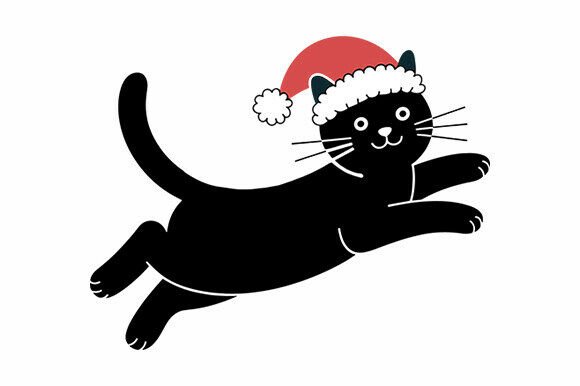
When you first open the folder containing the Running Christmas Cat SVG, the immediate feeling is one of kinetic energy. Unlike static designs where a subject simply sits or stands, this cat appears to be in motion. That sense of movement is crucial for embroidery because it dictates how the eye travels across the fabric. The layout feels dynamic, suggesting a playful character rather than a stiff illustration. For crafters and small business owners, this personality is gold. It transforms a simple holiday motif into a narrative element that customers can connect with emotionally.
The design falls squarely into the Crafts and Graphics categories, but its true value lies in its versatility. The visual weight seems balanced enough to stand alone on a large tote bag without looking lost, yet detailed enough to serve as a focal point on a smaller item like a baby onesie or a kitchen towel. The "running" aspect implies speed and joy, which naturally elevates the perceived value of any finished product. It suggests a brand that is fun, active, and modern, moving away from the traditional, overly formal Christmas aesthetics often seen in boutique shops.
Real-World Application: From Screen to Stitch
To truly understand the potential of this file, imagine a scenario: You are preparing inventory for a holiday craft fair or fulfilling a rush order for an Etsy shop. You need a custom embroidered sweatshirt for a client who loves cats and hates boring holiday sweaters. You pull up the Running Christmas Cat SVG. The motion lines and the cat's posture suggest that this design would look fantastic centered on the chest of a crewneck sweatshirt. The movement guides the viewer's eye, making the garment feel alive when worn.
However, the decision doesn't stop there. Consider a personalized gift project. You might use this design on a set of matching aprons for a family cooking session during the holidays. The running theme could represent the busy, joyful chaos of the season. Alternatively, think about a patch for a denim jacket or a backpack. The dynamic shape works well on curved surfaces, provided the stitching density is managed correctly. For an embroidery project involving a tote bag, the design offers a bold statement that turns a basic canvas item into a unique accessory. It fits perfectly into the workflow of a craft business looking to create standout items that customers want to share on social media.
Technical Performance and Fabric Considerations
While the concept is strong, the execution depends heavily on the material. When converting this digital embroidery file into a physical object, you must consider the stitch density. If the cat's fur or the background details are too dense, the fabric may pucker, especially if you are working with thin cotton or stretchy jersey knits. For custom apparel like t-shirts, a lightweight stabilizer is non-negotiable to support the satin stitch areas and prevent the design from sinking into the fabric.
There are specific scenarios where caution is required. If you are attempting this on a textured fabric like a chunky knit sweater or a thick wool blend, the fine details of the running motion might get lost in the weave. Similarly, applying this to a cap requires careful attention to the curvature of the hat. The design elements that imply forward momentum need to align with the curve of the cap front to maintain the illusion of speed. On dark fabrics, thread color contrast becomes critical. A light-colored cat against a black background will pop beautifully, but if the background colors are too similar to the thread, the definition of the running legs or tail could vanish.
Where to Use (and Where to Pause)
This design shines brightest on stable, medium-weight fabrics such as canvas, twill, or heavy cotton blends. It is ideal for tote bag designs, pillow covers, and tea towels where the fabric provides a solid foundation for the stitches. However, for small hoop sizes, you must inspect the file closely. If the design includes tiny lettering or intricate decorative accents near the edges, they may not render clearly in a 4x4 inch hoop. In those cases, the finished product might look cluttered or muddy.
Furthermore, avoid using this on highly stretchy materials without adequate stabilizers, as the tension of the running motion could cause the fabric to distort over time. If the item is intended for frequent washing, ensure the stabilizer used is wash-away or tear-away based on the fabric type to maintain the integrity of the embroidery file after multiple cycles.
Impact on Brand and Customer Trust
In the world of handmade goods, presentation is everything. A well-executed Running Christmas Cat SVG signals professionalism. Customers can tell the difference between a poorly digitized design that looks blurry or misaligned and one that has clean lines and consistent thread colors. When a buyer sees a crisp, dynamic cat on a holiday gift, it builds trust in your craftsmanship. It suggests that you care about the details, which translates to higher perceived value and repeat business.
For Etsy sellers and small shop products, this design offers a competitive edge. It allows you to create cohesive branding across different items—perhaps using the same running cat motif on tags, packaging, and the actual merchandise. This consistency strengthens your brand identity and makes your shop more memorable. The design is also highly giftable; the playful nature appeals to a wide demographic, from children to adults who appreciate whimsical holiday decor.
Practical Designer Notes Before You Start
Before you commit to a full production run, there are essential steps every experienced designer takes. First, always test the design on scrap fabric. This helps you gauge how the fill stitch behaves on your specific material and whether the hoop size needs adjustment. Check the thread color contrast by creating a mockup in black and white to ensure the shapes remain distinct even without color.
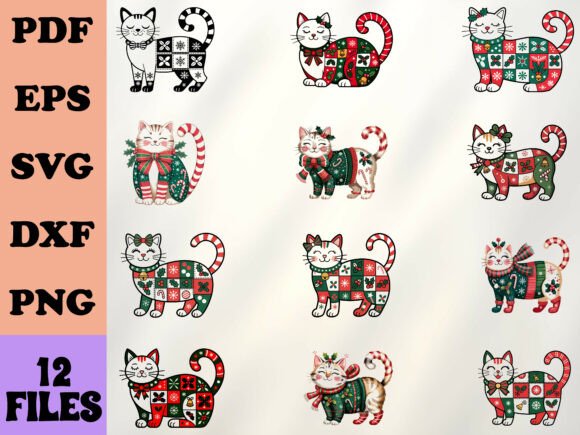
Review the stitch density settings in your digitizing software. If the file is too dense, reduce it slightly to prevent puckering. Confirm whether the design works for both personal and commercial projects by checking the licensing terms provided with the download. Ensure you have the necessary files, including the EPS, SVG, PNG, and DXF formats mentioned in the product description, to handle various machine requirements. Finally, inspect small details like the cat's paws or the motion lines to ensure they are not too fragile for your machine's capabilities.
The Running Christmas Cat SVG is more than just a holiday graphic; it is a versatile asset for creative entrepreneurs. By approaching it with a practical mindset and respecting the technical limitations of embroidery, you can turn a simple digital download into a stunning, market-ready product that brings joy to recipients and success to your business.