Skeleton Cat SVG Clipart - Cut File Review
I have spent years stitching, digitizing, and reviewing embroidery designs for my own boutique line and client work. When a new file lands in my inbox, I don't just look at the preview image; I immediately start thinking about how it will behave under the needle, how it will hold up after thirty washes, and whether it fits the aesthetic of a high-end handmade shop. Recently, I took a closer look at the Skeleton Cat SVG Clipart - Cut File. It falls squarely into the Crafts category as a digital asset, but its potential application goes far beyond simple screen printing or paper crafts.
My first impression of this design is one of playful spookiness. The skeleton cat theme strikes a balance between edgy and adorable, making it a versatile choice for seasonal collections or year-round novelty items. However, as a professional designer, I know that a cute vector on a screen often translates poorly to thread. The shape needs to be robust enough to withstand tension without puckering, yet detailed enough to capture the personality of the character. This review breaks down exactly how I would approach using this Skeleton Cat SVG Clipart - Cut File in a real-world commercial scenario.
From Digital Vector to Threaded Reality
The product description notes that the item includes one PNG file. For an embroidery project, relying solely on a rasterized PNG can be risky if you intend to resize the design significantly later. A true machine embroidery design usually requires vector data to convert clean lines into stitch paths. If you are planning to use this Skeleton Cat SVG Clipart - Cut File for a custom sweatshirt, you need to ensure the source file allows for proper scaling before digitization. If the file is indeed a cut file intended for vinyl or laser cutting, applying it to fabric via embroidery requires careful conversion to avoid losing the delicate bones of the cat.
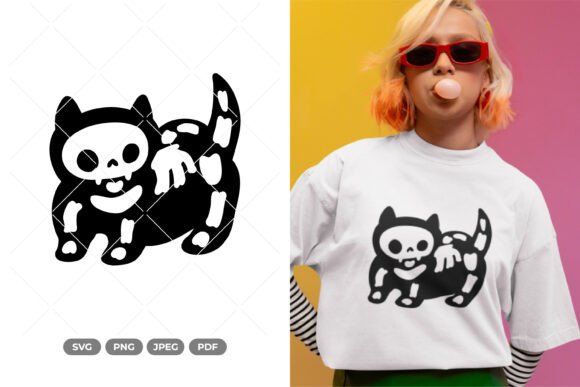
In terms of visual appeal, the layout is likely compact. This is excellent for small hoop sizes, which are common in modern apparel decoration. However, when converting this graphic to a digital embroidery file, the density of the stitches becomes critical. A skeleton figure relies on thin lines and open spaces. If the stitch density is too high, the fabric will pucker, and the cat might look like a solid blob rather than a skeletal figure. Conversely, if the density is too low, the satin stitch edges might fray, ruining the crisp look required for a professional embroidered patch.
A Real-World Project: The Custom Tote Bag
To test the practical value of this design, I imagined a specific scenario: creating a limited-run collection of tote bags for a local Halloween craft fair. The target audience includes Etsy sellers and hobbyists who want unique, handcrafted goods. I selected a heavy-duty canvas tote bag, a staple for any craft business.
Using the Skeleton Cat SVG Clipart - Cut File here presents both opportunities and challenges. On a dark canvas background, a white or light grey thread version of the skeleton cat would pop beautifully, creating high contrast that catches the eye from across a booth. However, placing this design on a curved surface like a cap or a fitted sweatshirt requires a different strategy. The flat nature of the SVG works best on stable surfaces like tote bags, aprons, or pillow covers where the fabric does not stretch significantly during stitching.
If I were selling these as personalized gifts, the "Skeleton Cat" motif offers a fun alternative to traditional floral or geometric patterns. It adds a touch of personality that appeals to younger demographics or those with a gothic aesthetic. But for a small shop product meant to last, the durability of the stitch is paramount. A skeleton cat with long, dangling tail segments might snag easily if the running stitch isn't secured properly. I would advise adding a backing stabilizer to prevent the fabric from distorting, especially since canvas can be thick and resistant to the needle's penetration.
Navigating Fabric and Finish Challenges
Not every material plays nice with every design. When evaluating the Skeleton Cat SVG Clipart - Cut File for broader applications, I had to consider where this design should be used carefully. Thin fabrics, such as sheer curtains or lightweight polyester blends, are prone to tearing under the stress of dense embroidery. Similarly, stretchy knits like t-shirt jersey require a very specific stabilizer setup to prevent the fill stitch areas from pulling the fabric out of shape.
For a baby item, such as a onesie or a blanket, safety and comfort are non-negotiable. While the skeleton cat is cute, large areas of stiff satin stitch might irritate a baby's skin. In this case, I would recommend using a lighter applique design technique or ensuring the back of the embroidery is trimmed and smoothed. Additionally, if you plan to sell these items as commercial embroidery products, you must verify that the design holds up well to frequent washing. A skeleton cat with tiny details might lose definition over time if the thread count is insufficient.
Another critical factor is the color palette. The original vector is black and white, but in embroidery, thread colors dictate the mood. Using metallic threads for the ribcage could add a luxurious feel, suitable for a high-end holiday gift. However, mixing too many colors in a small area can make the design look cluttered. I suggest sticking to a two or three-color scheme to maintain clarity. Always test your thread colors against the final fabric shade before committing to a full production run.
Essential Notes for the Embroidery Designer
Before you upload this file to your machine or send it to a digitizer, there are several practical steps you must take to ensure a successful finished product.
- Test on Scrap: Never start with your final customer's garment. Stitch the Skeleton Cat SVG Clipart - Cut File on a scrap piece of the same fabric to check for puckering or distortion.
- Hoop Size Check: Confirm the dimensions of the design relative to your machine's hoop size. If the design is larger than your hoop, you may need to reposition the fabric, which risks misalignment.
- Stabilizer Selection: Use the correct type of stabilizer (cut-away, tear-away, or water-soluble) based on the fabric texture. Heavy fabrics need heavy support; light fabrics need minimal intervention.
- Licensing Verification: Since this is a digital asset, double-check the license terms. Ensure you have the right to sell finished items made with this design, especially if you are an Etsy seller or running a small shop product line.
- Mockup Review: Create black and white mockups to see how the design looks without the distraction of color. This helps identify if the shapes are distinct enough to be recognizable when stitched.
Final Thoughts on Design Assets
The Skeleton Cat SVG Clipart - Cut File offers a fresh, quirky option for designers looking to expand their portfolio. Whether you are creating a tote bag design for a summer festival, a sweatshirt embroidery piece for a winter sale, or a baby embroidery set for a nursery, this graphic has the potential to stand out. Its success, however, depends entirely on how well it is translated from a digital vector to a physical stitch.
By treating this design with the same rigor as any other professional design assets package, you can ensure that your customers receive a high-quality handmade product that reflects well on your brand. Pay attention to the stitch density, choose the right fabric texture, and always prioritize the longevity of the embroidery project. With careful execution, this skeleton cat can become a signature element of your creative output, delighting buyers and building trust in your brand consistency.
Remember, the difference between a good craft and a great commercial product often lies in the details. Take the time to refine the embroidery file, test your setups, and deliver a result that honors the creativity of the original Skeleton Cat SVG Clipart - Cut File.