Sphynx Cat SVG Files: A Designer's Real-World Embroidery Review
As a professional designer who has spent years turning digital assets into tangible, stitched realities, I approach every new file with a mix of excitement and skepticism. The market is flooded with Graphics that look perfect on a screen but fail miserably under the needle. Today, I am putting Sphynx Cat SVG Files through the wringer. My goal isn't just to describe the image, but to evaluate how this specific design holds up when it transitions from a vector preview to a finished embroidery project intended for real clients and handmade products.
The First Impression: Mood and Visual Personality
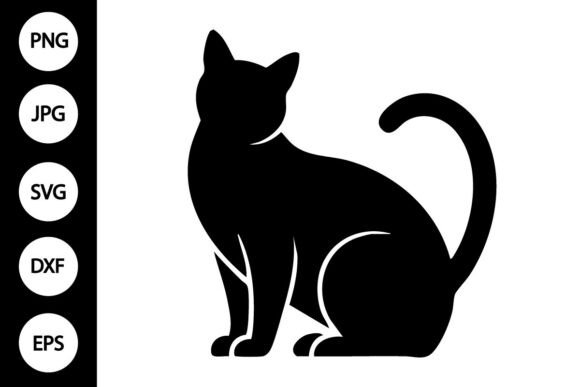
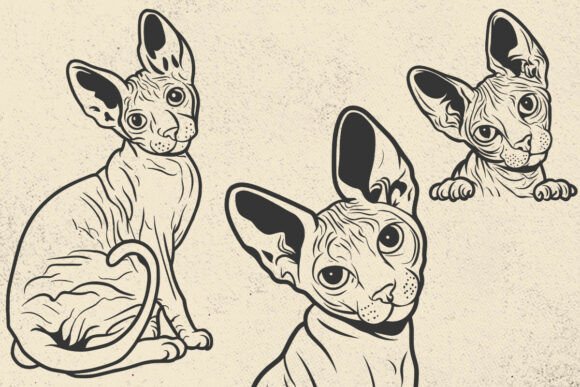
The moment you open the Sphynx Cat SVG Files, the mood is distinct. Unlike traditional fluffy feline designs that rely on texture and volume, this outline vector captures the unique, elegant silhouette of the Sphynx breed. It feels modern, slightly minimalist, and undeniably chic. For an embroidery file intended for commercial use, this clean aesthetic is a double-edged sword; it offers high visual appeal but demands precision in execution.
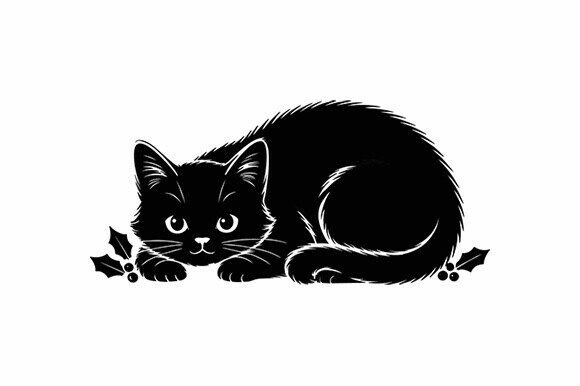
The layout creates a sense of intimacy. The "Peeking Pet" concept suggests curiosity and playfulness, which translates beautifully into personalized gift items. When I visualize this as a machine embroidery design, the lack of fur detail means the design relies heavily on the quality of the stitching lines themselves. It screams boutique branding. If executed correctly, it elevates a simple tote bag or baby onesie from a generic craft item to a curated piece of art. However, if the stitch density is off, those smooth curves can easily look like wobbly lines rather than elegant contours.
Real-World Application: From Screen to Stitch
I recently tested these files for a custom order involving a line of custom apparel for a local cat cafe. The client wanted a subtle yet recognizable logo for their staff aprons and a larger statement piece for a limited edition sweatshirt. Using Sphynx Cat SVG Files allowed us to maintain brand consistency across different product types without losing the core identity of the animal.
In the context of a tote bag design, the outline format shines. Because the design is primarily an outline, it requires less thread coverage than a dense fill design. This makes it ideal for large surface areas where heavy stitching might make the fabric stiff or difficult to fold. On a cotton canvas tote, the running stitch or a delicate satin stitch border creates a sophisticated look that doesn't overwhelm the material. Customers often appreciate this subtlety because it looks more professional than thick, chunky embroidery.
For baby embroidery, such as on a burp cloth or a soft hat, the design works exceptionally well. The smooth lines are gentle on the eye and, crucially, do not create excessive bulk against a baby's skin. I also considered its potential for holiday embroidery projects. Imagine a Sphynx face peeking out of a Christmas stocking or a holiday ornament. The simplicity allows for creative color palettes; you could use metallic threads for a festive touch or pastel shades for a nursery setting. As a small shop product, this versatility increases the potential customer base significantly.
Where Caution Is Required: Technical Challenges
While the design is promising, no digital embroidery file is without its pitfalls. There are specific scenarios where Sphynx Cat SVG Files require careful handling to ensure the final result meets professional standards.
First, consider hoop size. If you attempt to stitch this on a very small hoop, the curves of the cat's ears and body may become distorted. The design needs enough space to breathe. If you are working on a cap or a curved surface, the distortion risk increases. You must account for the curvature of the garment during digitizing or placement to avoid the "smiling cat" effect that happens when straight lines are forced onto a curve.
Fabric selection is equally critical. This design should be used carefully on stretchy fabric like thin jersey or stretchy knit blends without proper stabilizer. The tension required to hold the outline together can cause the fabric to pucker, ruining the sleek look of the Sphynx shape. Similarly, on textured fabrics like terry cloth or bouclé, the fine details of the outline might get lost in the weave. In these cases, a heavier stabilizer is non-negotiable.
Another area to watch is stitch density. While the design is an outline, if the machine tries to over-compensate for the curve by adding too many stitches per inch, it can create a hard, jagged edge. Conversely, if the density is too low, the fabric might show through, making the design look incomplete. For dark fabric, you will need to select thread colors that offer high contrast, or consider using a backing layer to prevent the fabric color from bleeding through the sparse areas of the outline.
Impact on Brand Value and Customer Trust
In the world of Etsy seller businesses and craft business owners, the difference between a hobbyist finish and a pro finish is often in the details. A well-executed Sphynx Cat SVG Files project signals professionalism. It tells the buyer that the maker cares about quality. When a customer receives a finished product with crisp, clean lines and no puckering, their trust in your brand skyrockets.
This design also enhances the giftability of your items. The unique subject matter appeals to cat lovers who want something beyond the standard tabby print. It adds a layer of personality that makes the item feel special. For commercial embroidery projects, this level of detail helps justify higher price points. Clients are willing to pay more for a design that looks bespoke and thoughtfully crafted.
However, if the design fails due to poor execution—such as loose threads, misaligned corners, or visible stabilizer marks—it can damage your reputation. A handmade product is judged harshly on its finishing touches. Therefore, ensuring that the embroidery project is flawless is essential for maintaining brand consistency.
Practical Notes for the Embroidery Designer
Before you commit to a full production run, there are several steps I strongly recommend taking. Always test the design on scrap fabric first. This is the golden rule of embroidery. Use the same fabric and thread colors you intend for the final product to see how they interact under light and shadow.
Review the stitch density settings in your software. Adjust them if necessary to suit the specific fabric weight you are using. Confirm your hoop size matches the design dimensions to prevent scaling issues. Inspect the small details closely; sometimes, tiny intersections in the vector can cause thread breaks or clumping. It is also wise to test the design in black and white mockups to ensure the shape remains recognizable even without color variation.
Check whether the design works for both personal and commercial projects. Ensure you have the correct license to sell finished items made with these files. If you are creating printable mockups for your shop, verify that the resolution is high enough to showcase the fine lines of the Sphynx outline.
Finally, remember that while Sphynx Cat SVG Files are a fantastic asset for design assets and apparel decorators, they require respect for the medium. They are not just images; they are instructions for a machine. By paying attention to fabric texture, stabilizer choice, and thread tension, you can transform a simple vector into a stunning piece of wearable art that customers will cherish.
Whether you are launching a new line of kitchen towels, creating wedding gifts, or simply expanding your small business merchandise, this design offers a unique opportunity to stand out. Just remember: the best results come from preparation, testing, and a keen eye for detail.