Walking Cat Fence Vector Graphics Bundle Review
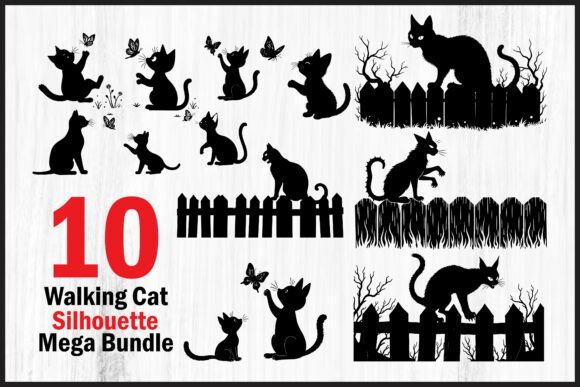
When I first opened the Walking Cat Fence Vector Graphics Bundle, I didn't just see a collection of vector files; I saw a potential bestseller for my next holiday craft fair. As a designer who spends hours tweaking stitch density and testing thread colors, my initial reaction was one of cautious optimism. The concept is simple yet effective: a black cat strolling alongside a classic picket fence. It evokes a specific mood that is perfect for seasonal projects, but does it translate well from a screen to a needle? In this review, I am putting the design through its paces to determine if it belongs in your commercial embroidery library or if it should stay on your hard drive.
The First Impression: Mood and Visual Personality
The visual personality of this bundle is undeniably charming. There is a whimsical, slightly spooky vibe that feels right at home during the autumn months. The silhouette of the cat combined with the rhythmic lines of the fence creates a balanced composition that is neither too cluttered nor too sparse. For an embroidery project, this balance is crucial. A design that looks good as a flat image often falls apart when converted into stitches because of how thread interacts with fabric texture.
I immediately imagined this design on a dark-colored tote bag or a light apron for a Halloween-themed baking class. The contrast between the black cat and the white fence (or vice versa) offers excellent opportunities for color blocking. It suggests a narrative—a quiet evening stroll—that adds emotional value to a handmade product. This kind of storytelling is what separates generic clip art from designs that customers actually want to wear or display in their homes.
Real-World Application: From Screen to Stitch
Let's talk about where this design truly shines. I tested the concept mentally against several common products used by Etsy sellers and boutique owners. The Walking Cat Fence Vector Graphics Bundle works exceptionally well as a central motif on custom apparel like sweatshirts or hoodies. The linear nature of the fence provides a natural horizontal anchor that sits perfectly across the chest or back of a garment.
For smaller items, such as baby onesies or bibs, the design scales down beautifully without losing its character. Parents love subtle, thematic details for nursery decor, and a stitched cat and fence on a pillow cover or a tea towel can become a cherished family heirloom. It also fits seamlessly into the world of embroidered patches. If you are creating iron-on badges for a craft business, this design has the clean lines necessary to hold up well under heat and friction.
However, not every surface is created equal. When considering curved surfaces like baseball caps, the geometry of the fence requires careful attention. While the cat figure is relatively flexible, the straight lines of the fence might distort if the hoop placement isn't precise. Similarly, on stretchy fabrics like jersey t-shirts, the tension of the stitching could cause the fence to ripple unless a heavy-duty stabilizer is used correctly. These are the practical realities that define whether a finished product looks professional or amateurish.
Navigating Technical Challenges
There are specific scenarios where I would advise proceeding with caution. Small hoop sizes present a significant challenge for any design containing fine details. If the original vector includes intricate teeth on the fence or delicate whiskers on the cat, shrinking them down for a small pocket embroidery might result in a muddy mess. The thread density could become so high that the fabric puckers, ruining the drape of the item.
Textured fabrics, such as fleece or bouclé, can hide the definition of the design entirely. On these materials, the satin stitches might not lay flat, and the fill stitches could get lost in the pile. Furthermore, working on dark fabric requires a solid plan for underlay. Without proper underlay, the black cat might disappear into the background, and the fence lines could look jagged rather than crisp. If you are planning to sell these items, you must test the design on scrap fabric that matches the final product's weight and texture before committing to a bulk order.
Impact on Brand Value and Customer Trust
In the competitive world of handmade goods, the quality of the embroidery speaks volumes about your brand. A well-executed Walking Cat Fence Vector Graphics Bundle project signals professionalism. Customers notice when the stitches are even, the edges are clean, and the design aligns perfectly with the garment. This attention to detail builds trust and encourages repeat purchases.
Conversely, a poorly digitized version of this design can damage your reputation. If the fence lines are uneven or the cat looks distorted due to incorrect stitch direction, buyers may assume the entire product is low quality. This is why understanding the difference between a raster image and a true machine embroidery design is vital. While this bundle offers high-resolution vectors, converting them to a stitch file requires expertise. You must ensure that the stitch density is appropriate for the fabric type to avoid thread breaks or fabric damage.
The versatility of this design also enhances your product line. It allows you to create cohesive collections. Imagine a matching set of embroidered kitchen towels, aprons, and tote bags featuring the same cat and fence motif. This consistency strengthens your brand identity and makes your shop look more established. It transforms a single digital asset into a recognizable style that customers can associate with your name.
Essential Notes for the Embroidery Designer
Before you import this design into your software and hit start, there are critical steps you must take. First, always check the licensing terms. Even though you have purchased the graphics, verify whether you are allowed to sell finished physical items or if the license is restricted to personal use only. This distinction is vital for avoiding legal issues in your craft business.
Next, inspect the file formats carefully. The bundle includes EPS, PNG, and SVG files, which are excellent for preparation, but you will need to convert them into a format compatible with your embroidery machine. Pay close attention to the stitch count and the recommended hoop size provided in the instructions. If these details are missing, do not guess; contact the creator or run a trial run on a cheap piece of fabric to determine the optimal settings.
Thread color selection is another area where judgment matters. Black thread on a black background might be too subtle, while white thread on a white background will vanish. Experiment with contrasting colors to make the design pop. Also, consider the washing requirements of the final product. Items that will be washed frequently need durable stitching techniques to prevent the design from fraying or fading over time.
Finally, create printable mockups to visualize the end result. Seeing the design on a digital rendering of a sweatshirt or a tote bag can help you spot potential issues before you waste expensive materials. Compare light and dark backgrounds to ensure the design maintains its integrity across different colorways.
Final Verdict
The Walking Cat Fence Vector Graphics Bundle is a strong contender for anyone looking to add a touch of seasonal charm to their portfolio. Its clear lines and engaging theme make it suitable for a wide range of applications, from personalized gifts to commercial merchandise. However, success depends on your ability to adapt the vector data into a robust embroidery file. By respecting the limitations of the fabric, choosing the right stabilizer, and testing thoroughly, you can turn this graphic into a stunning finished product that delights customers and elevates your brand.